Late cotoneaster
Cotoneaster lacteus
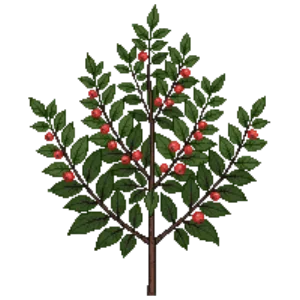
Late cotoneaster is a shrub for structure, suited to full sun to partial shade and clay, loam, sandy soil or chalk, flowering Jun, Jul.
| Type | Shrub |
|---|---|
| Mature height | 400 cm |
| Spread | 300 cm |
| Aspect | full sun to partial shade |
| Foliage | Evergreen |
| Hardiness | USDA 6a-8b, RHS H5 |
| Pollinator-friendly | Yes |
| Pet-safe | No |
Where to use it in a border
At around 400 cm, it sits best toward the back of a border, or on its own as a focal point with room around it. Give it about 300 cm of room to spread. It is hardy across USDA zones 6a to 8b and rated H5 by the RHS, so check it suits your area before planting.
It appears in our lists of full sun, shade, clay soil, sandy soil, chalk soil, evergreen plants.
Border Builder places Late cotoneaster by height, spread, soil and bloom months in a full border plan for your own conditions, on iPhone and iPad.

Flowering through the year
Worth knowing
- Evergreen, so it keeps the border furnished through winter.
- It tolerates a shaded, north-facing spot.
- Not recorded as pet-safe; site it away from pets that graze if that matters to you.
- Its flowers are valued by bees and other pollinators.
Good companions
Plants that share its conditions and style, chosen to complement its place in the border:
- Allium 'Purple Sensation'to edge in front
- Crab Apple 'Red Sentinel'to edge in front
- Dwarf smoke bushto edge in front
- Flowering quince 'Crimson and Gold'to edge in front
- Japanese Flowering Dogwoodto flower when it does not
- Rose 'The Fairy'to edge in front
Garden styles
Cottage garden Formal Wildlife garden
Sources
Bloom timing and hardiness drawn from: